
"One-Eyed Sam"
#563 / Flood Time Capsule

“One-Eyed Sam,” a spirited 1935 novelty number that occupies a unique space in the history of Western swing and country music, briefly flashed in the Floodisphere, as you can hear and see in the video below that Pamela Bowen captured at a Flood gathering 16 years ago this winter:
It was a special night, the first evening that an old friend, jazz guitarist Randy Brown, sat in with The Flood. Although band members had known Randy for decades — the late Joe Dobbs knew Randy as a high schooler who frequented the Fret ‘n Fiddle store in the 1970s — he had not played with The Flood until that evening in 2010.
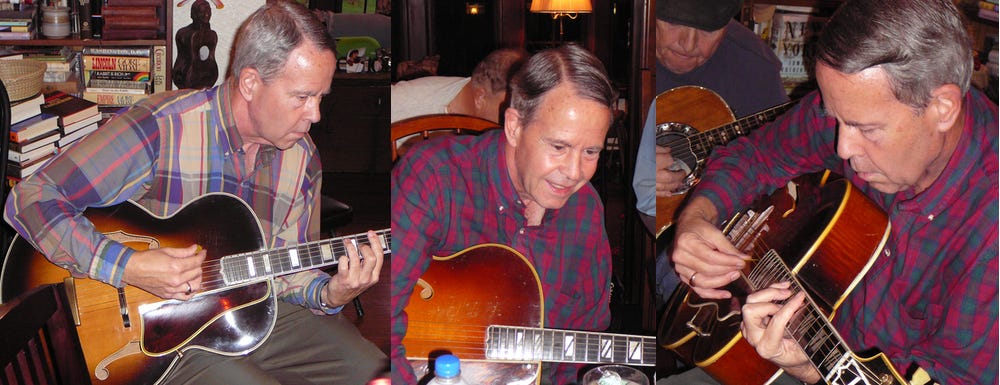
Just a few days earlier, Charlie Bowen had spoken with Randy during a benefit concert at which The Flood shared the stage with Dale Jones’ Backyard Dixie Jazz Stompers (Randy’s regular group) and invited him to the weekly session.
As you see in the video above, Randy brought his 1935 Gibson L-5 guitar and was immediately integrated into the mix, playing on the old jazz standards that the band loved.
Learning the Song
About this song, Bowen had just learned “One-Eyed Sam” from a little-known but wonderful Kentucky string band called Eldon Baker And His Brown County Revelers.
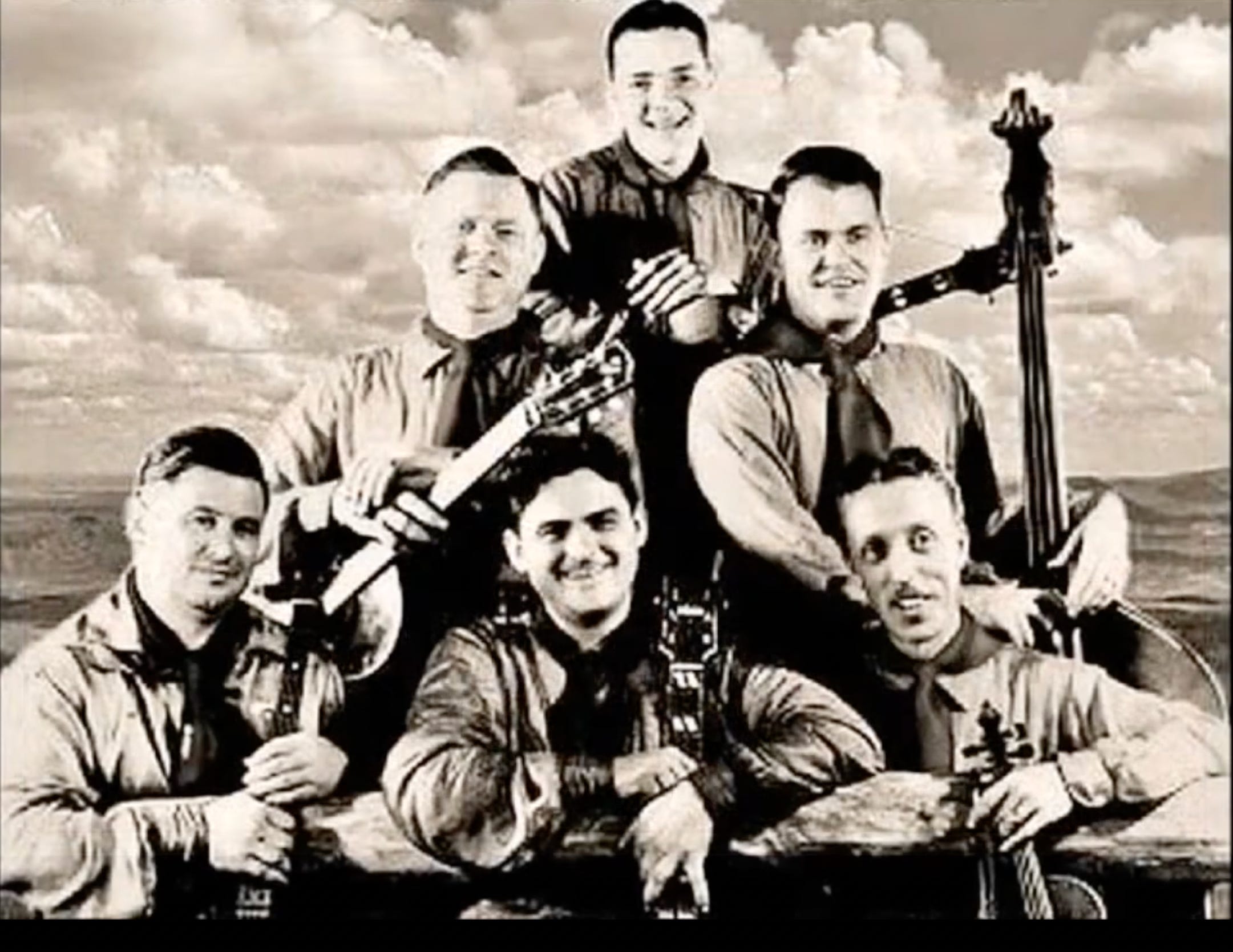
The track — one of the jazzy little tunes the band recorded in Chicago in 1938 — was included on Columbia Records’ 1992 four-CD compilation called Roots ’N’ Blues: The Retrospective (1925-1950), whose hundred tracks documented the early history of American vernacular music.
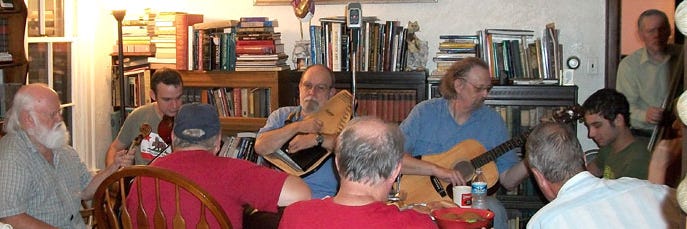
By then, The Flood had playing the song for about year. In fact, the band’s weekly podcast was not yet two months old when a January 2009 episode highlighted the tune’s Flood debut, with solos by Joe, as well as Jacob Scarr and Doug Chaffin. Click the button below to give it a listen:
The Song’s Originator
But it turns out that Eldon and the Baker boys didn’t write “One-Eyed Sam.” The creative force behind this fun tune was a man named Leroy Robert “Lasses” White, a multifaceted entertainer whose career spanned minstrelsy, vaudeville and Hollywood cinema.
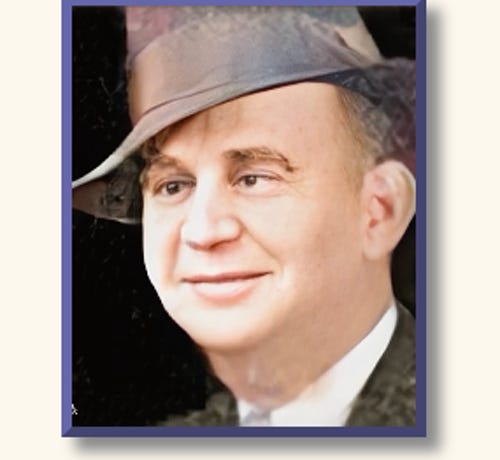
Born in Wills Point, Texas, White adopted the stage name “Lasses” due to a childhood love for molasses. He was a consummate performer known for his infectious smile, a “freak voice” with a distinct range, and a rhythmic walk described as “joy jaunting.”
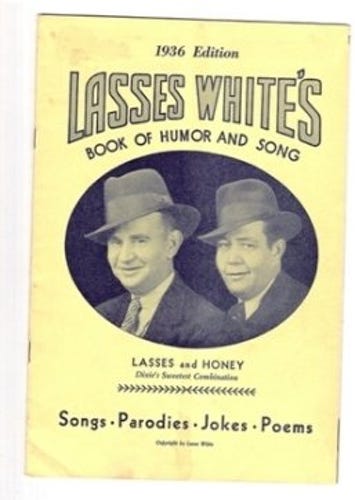
When White published the song in his Book of Humor and Songs in 1935, it became a staple of his stage act. During live performances, often alongside his partner David “Honey” Wilds, White would act out the lyrics, pantomiming the roll of the dice.
While White brought the song to life on the minstrel stage, its transition to recorded media cemented its legacy, so it survived well beyond the 1930s.
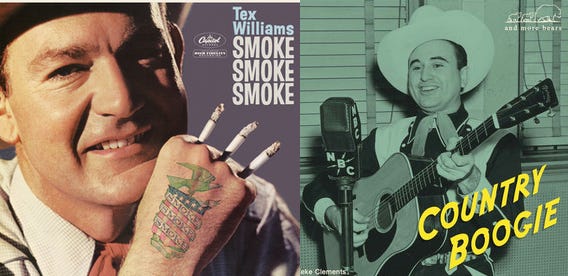
For instance, Tex Williams included a notable Western swing version on his 1960 Capitol Records album, Smoke Smoke Smoke. The tune’s adaptability was further proven by Tommy Spurlin, who recorded a rockabilly version in 1956.
More from Randy Brown
But let’s get back to Randy Brown. Here’s another tune from Randy’s first visit with the band, as the guys passed around the solos on the 1930 jazz anthem “Please Don’t Talk About Me When I’m Gone”:
And as a bonus, here’s Randy a year or so later sitting with on his tenor banjo when our friend Jesse Smith dropped in on a visit from his Ohio home near Akron. This time the vehicle is “Up a Lazy River”:
I really appreciate that you document Flood history as well as that of the songs themselves. Great format!