
"Mama Don't Allow"
#507 / Flood Time Capsule: 1979

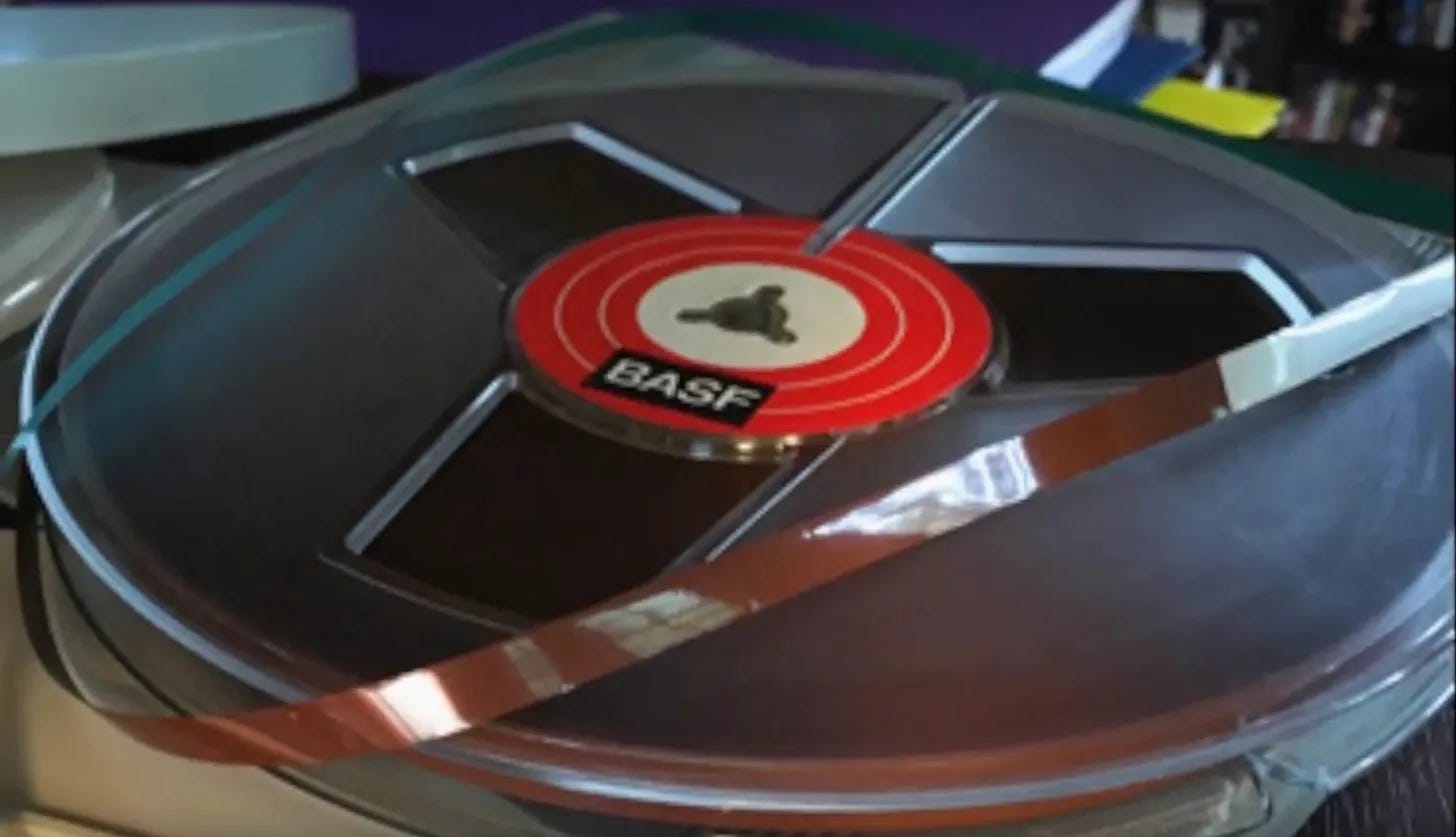
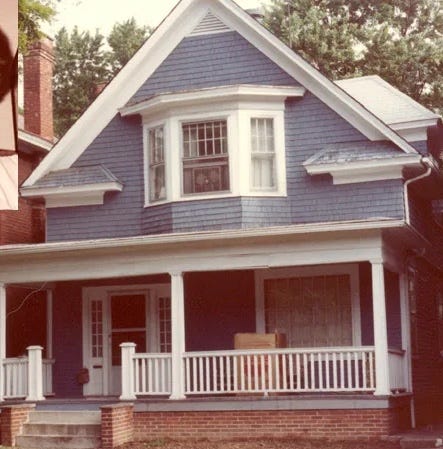
Forty-six years ago this week, on a brutally hot and muggy Sunday afternoon, The Flood hunkered down in the air-conditioned living room of an old Huntington South Side house to play some tunes into a reel-to-reel tape recorder.
After five years of being essentially a party band for the Bowen Bashes — most of which also played out in that same room — The Flood finally had decided to get a little more serious about itself.
Broadening their repertoire, the guys started working on regular, dependable arrangements of tunes, but without forsaking the spontaneity that had made their picking fun in the first place.
On this particular August Sunday afternoon, Flood co-founder Dave Peyton wasn’t in his pew — he and Susie were out of town — but there was nonetheless a healthy number of Floodsters in the congregation.
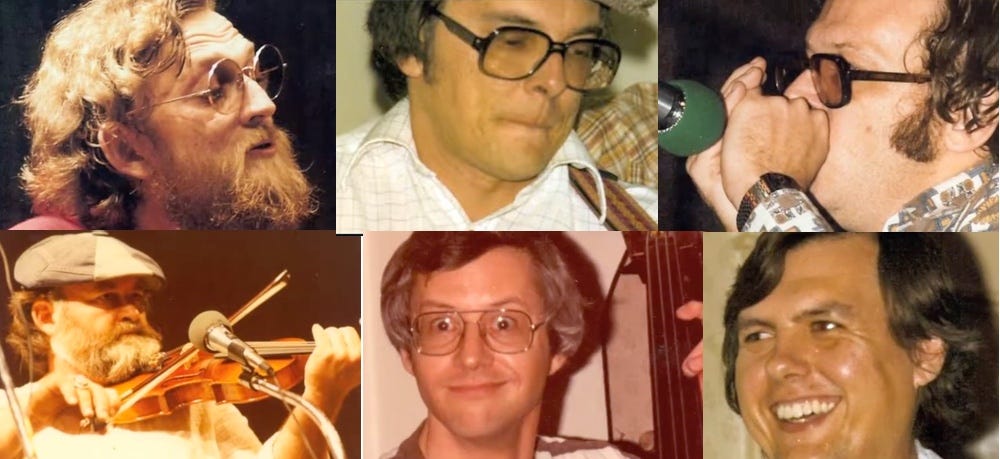
Joe Dobbs, Roger Samples and Charlie Bowen were on hand, of course, along with Bill Hoke on bass and Stew Schneider on harmonica. And joining them that day was Jack Nuckols, a veteran folk musician with mad skills on guitar, dulcimer and fiddle.
The Song
For this recording, Jack went minimalist, turning to the simplest instrument imaginable. As noted earlier, Jack and Charlie had known each other since high school, and Nuckols was an extraordinary drummer — both in the marching band and in the jazz stage band — so it was only natural that for his Flood session, Jack held down the rhythm section.
The video above, “Mama Don’t ‘Low,” features Jack and his irrepressible, irresistible spoons (decades before he joined the band for real in 2023).
Rog’s Hambone Contribution
As you’ll hear in the above, that wasn’t the only percussive novelty of that afternoon. Rog Samples also was a drummer in high school, and he couldn’t resist jumping into the day’s impromptu percussion section with a bit of his original “body playing.”

Called “hambone” percussion (also “Juba dance” or “Pattin' Juba), it is a unique form of body music with a rich history rooted in African and African-American culture. Folklorists think the technique came to the Appalachians with African Americans, for whom the tradition originated during slavery.
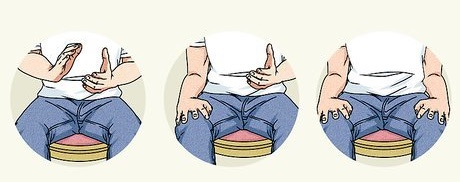
Forbidden to use their traditional drums, enslaved people developed ways to create rhythms with their bodies, with hand clapping, body and thigh slapping, and stomping to create percussive sounds.
In the above video, the spoons-hambone duo starts about 02:50.
About the Song
The origins of “Mama Don’t Allow” disappear in the foggy ruins of time.
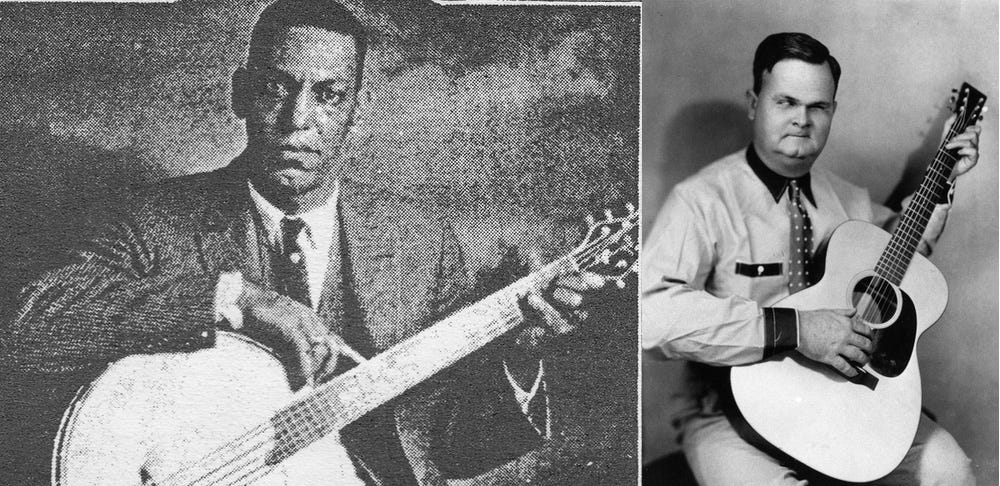
The earliest recordings we’ve found that document mama’s perennial disapproval were Papa Charlie Jackson’s 1925 pressing of “Mama Don’t Allow It (She Ain’t Gonna Have It Here)” and Riley Puckett’s 1928 tune called “Mama Won’t Allow No Low Down Hanging Around.”
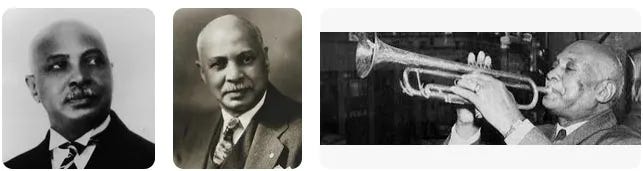
But the search takes us farther back, pre-dating commercial recording. For instance, the original title of W.C. Handy’s 1909 "Memphis Blues" was "Mr. Crump" and was a progenitor of "Mama Don't Allow” with this lyric:
Mr. Crump don't allow no easy riders.
We don't care what Mr. Crump don't allow,
We're gonna barrrelhouse anyhow...
That dates the song to at least circa 1907.
Stir in Some Brother Dave!
As noted above, Dave Peyton was not on hand that August 1979 afternoon, but “Mama Don’t Allow” was still in the Flood psyche when he got back from his travels and he wasted no time making his own distinctive contribution to the song.
As noted in an earlier article, this was the time when Dave was building a new instrument for his Flood brothers: Wallace the Washboard, bringing together an assortment of horns, kazoos, whistles, shakers and other add-ons chosen for their grin-inducing joys.
Wallace made its debut eight months later at the April 1980 edition of the Bowen Bashes, making a big splash on the band’s latest rendering of “Mama Don’t Allow,” as demonstrated in the video above.